
Lower Back treatment
Spinal Cord Stimulator (SCS): A Modern Option for Chronic Nerve Pain

For some patients, back or leg pain continues even after injections, nerve blocks, or surgery. In these cases, a Spinal Cord Stimulator (SCS) may provide a safe, minimally invasive way to control chronic nerve pain.
An SCS system delivers small electrical impulses to the spinal cord to “quiet” pain signals before they reach the brain helping patients regain comfort and activity without long-term medication dependence.

Why It’s Done

Spinal cord stimulation can be recommended for patients who:
-
Have persistent nerve pain despite other treatments
-
Experienced only temporary relief from injections or nerve ablation
-
Have ongoing lumbar radiculopathy or post-surgical pain
-
Want to reduce reliance on opioids or pain medication
How the System Works
The spinal cord stimulator consists of:
-
Leads – thin, flexible wires placed near the spinal cord
-
Generator– a small battery-powered device that sends gentle electrical pulses
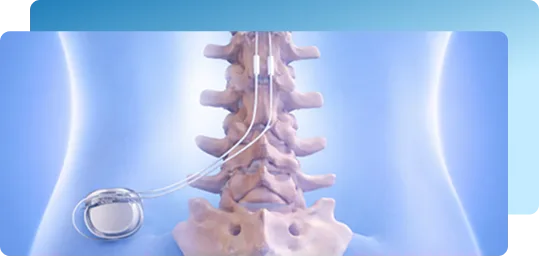
These pulses change how pain signals are perceived reducing discomfort without causing numbness or loss of function.
How the Procedure Is Performed
The Trial Phase
-
A temporary stimulator is placed under fluoroscopic guidance using local anesthesia.
-
Wires are positioned near the spinal cord, and the generator is connected externally.
-
You’ll test the system for 5–7 days to see if it reduces your pain by at least 50%.
The Permanent Implant
If the trial is successful, a small generator is implanted under the skin (usually in the lower back or buttock area). The procedure takes about an hour and is done on an outpatient basis.
You’ll receive a remote control to adjust your settings and manage comfort throughout the day.
What to Expect Afterward
-
Soreness at the implant site for a few days
-
Gradual adjustment to stimulation levels as your body adapts
-
Most patients resume normal daily activity within one week
-
Device checkups are performed periodically to ensure optimal function
The device can be turned off at any time, and the system is removable if needed.
Safety and Risks
Spinal cord stimulation is FDA-approved and has been used safely for decades.
Possible though uncommon side effects include:
-
Temporary discomfort at lead or battery sites
-
Shifting of leads, requiring minor adjustment
-
Infection (very rare with sterile technique)
You’ll undergo a comprehensive screening to ensure you’re a good candidate before proceeding.risk of paralysis or muscle weakness.
When to See a Specialist
If chronic nerve pain persists despite previous treatments, a Spinal Cord Stimulator trial can help determine whether neuromodulation is right for you.
Our specialists perform both the trial and permanent procedures using precise, image-guided techniques for safety and effectiveness.
Get urgent care for these
- New weakness in a leg or foot, or a foot that drags
- Loss of bladder or bowel control, or numbness around the groin
- Back pain with fever, chills or unexplained weight loss
- Severe pain immediately after a fall or collision
These need assessment now, not an appointment next week. Go to an emergency department or call 911.
Common questions about lower back pain