
Lower Back symptom
Buttock and Hip Pain: When It’s Really from the Sacroiliac (SI) Joint
Buttock and Hip Pain:
When It’s Really from the Sacroiliac (SI) Joint

Many people who experience pain in the buttock or hip assume the problem lies in the hip joint itself. In reality, the source is often the sacroiliac (SI) joint where the spine connects to the pelvis. This joint plays a key role in supporting movement and weight transfer, and when it becomes irritated, it can cause deep, radiating pain that mimics other conditions.
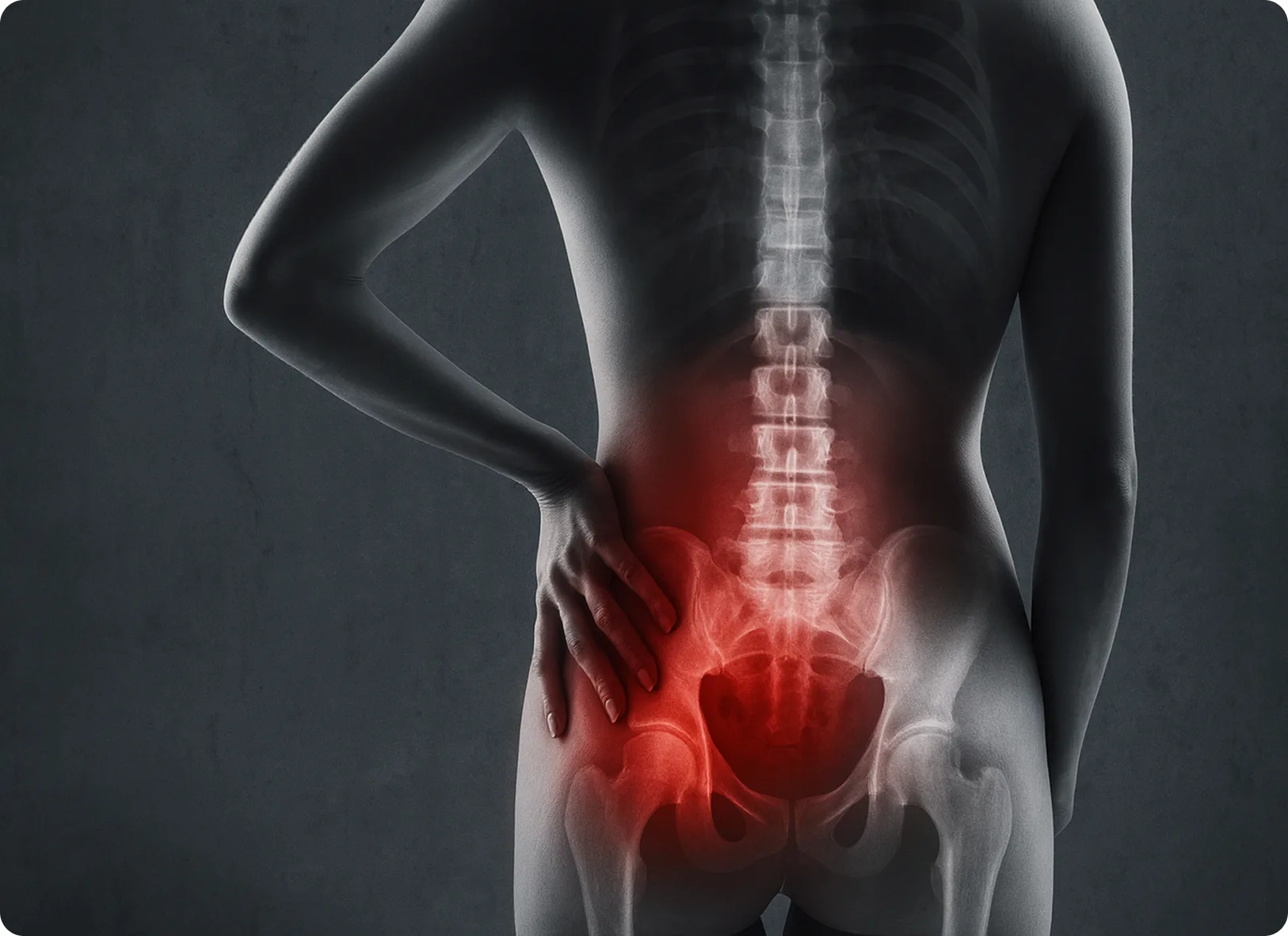
What Is the SI Joint?

The SI joint connects the base of your spine (sacrum) to the two large pelvic bones (ilia). It’s designed for limited motion and stability. Inflammation, wear, or injury can cause pain in the lower back, buttock, or even down the leg.
How SI Joint Pain Feels
-
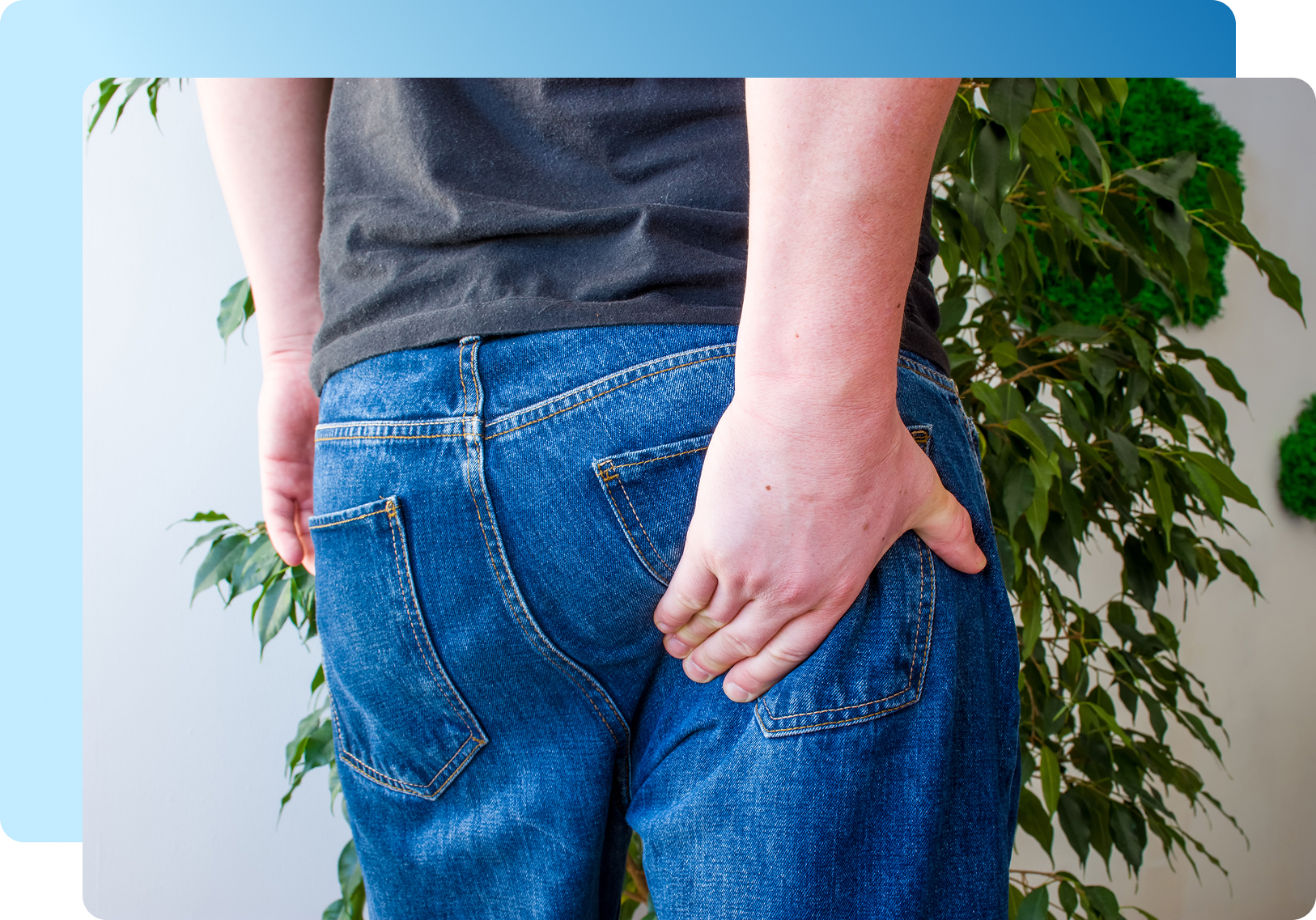
Deep aching pain on one side of the lower back or buttock
-
Pain that radiates to the hip or groin
-
Worsens when standing, climbing stairs, or getting out of a car
-
Improves when lying down
-
Sometimes confused with lumbar disc or hip joint pain
Because symptoms overlap, precise diagnosis is crucial.
Common Causes

-
Injury or trauma (e.g., fall or accident)
-
Pregnancy or childbirth (ligament laxity and pelvic stress)
-
Leg length differences or gait changes
-
Arthritis or joint degeneration
-
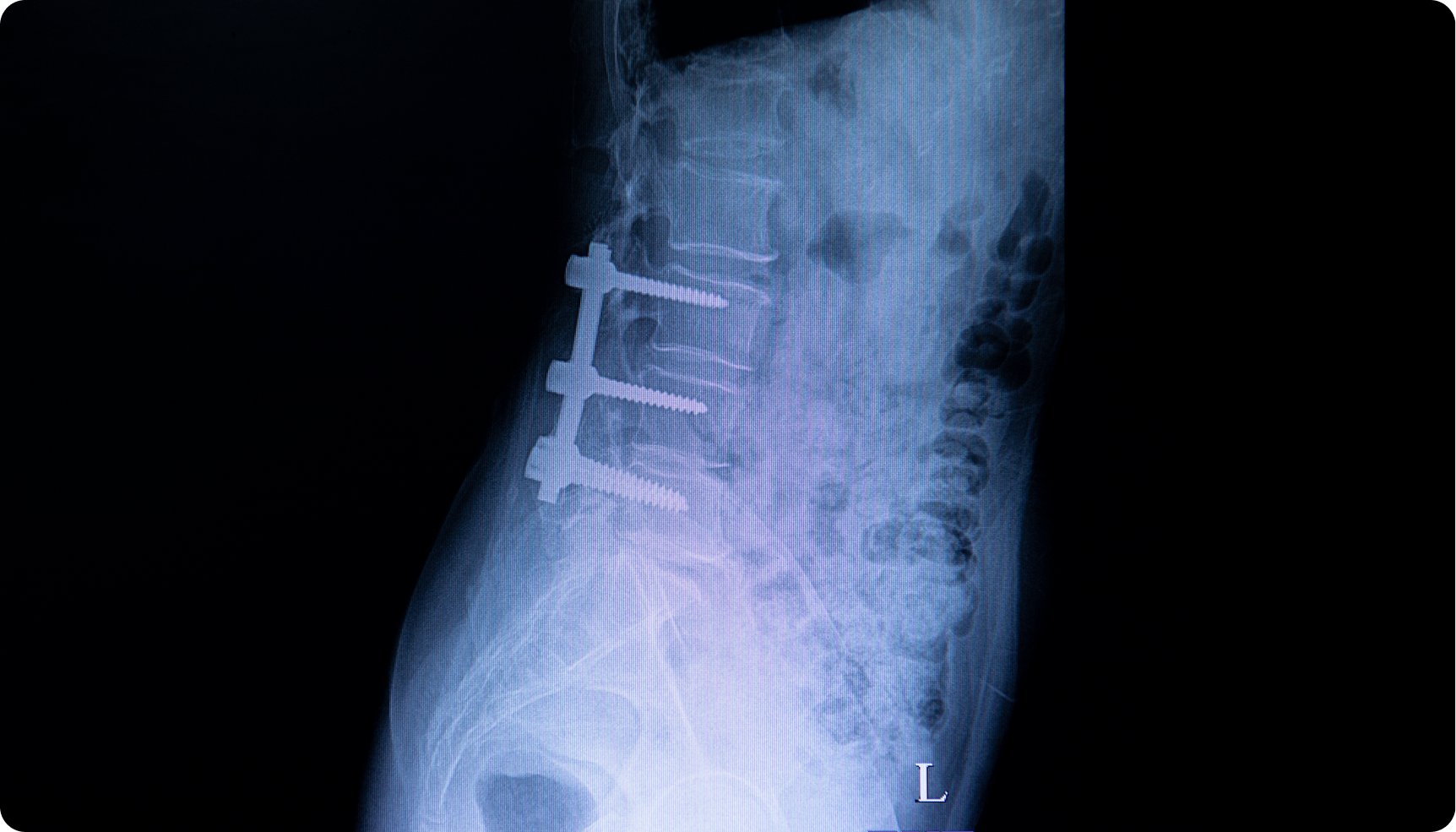
Prior spine surgery altering load on the SI joint

Diagnosing SI Joint Pain
A detailed exam helps distinguish SI pain from lumbar or hip problems. Evaluation may include:
-
Physical maneuvers reproducing pain (e.g., FABER test)
-
Imaging (X-ray, MRI) to rule out other causes
-
Image-guided SI joint injection the most accurate diagnostic tool
If pain relief follows an SI injection, the diagnosis is confirmed.
Effective Non-Surgical Treatments

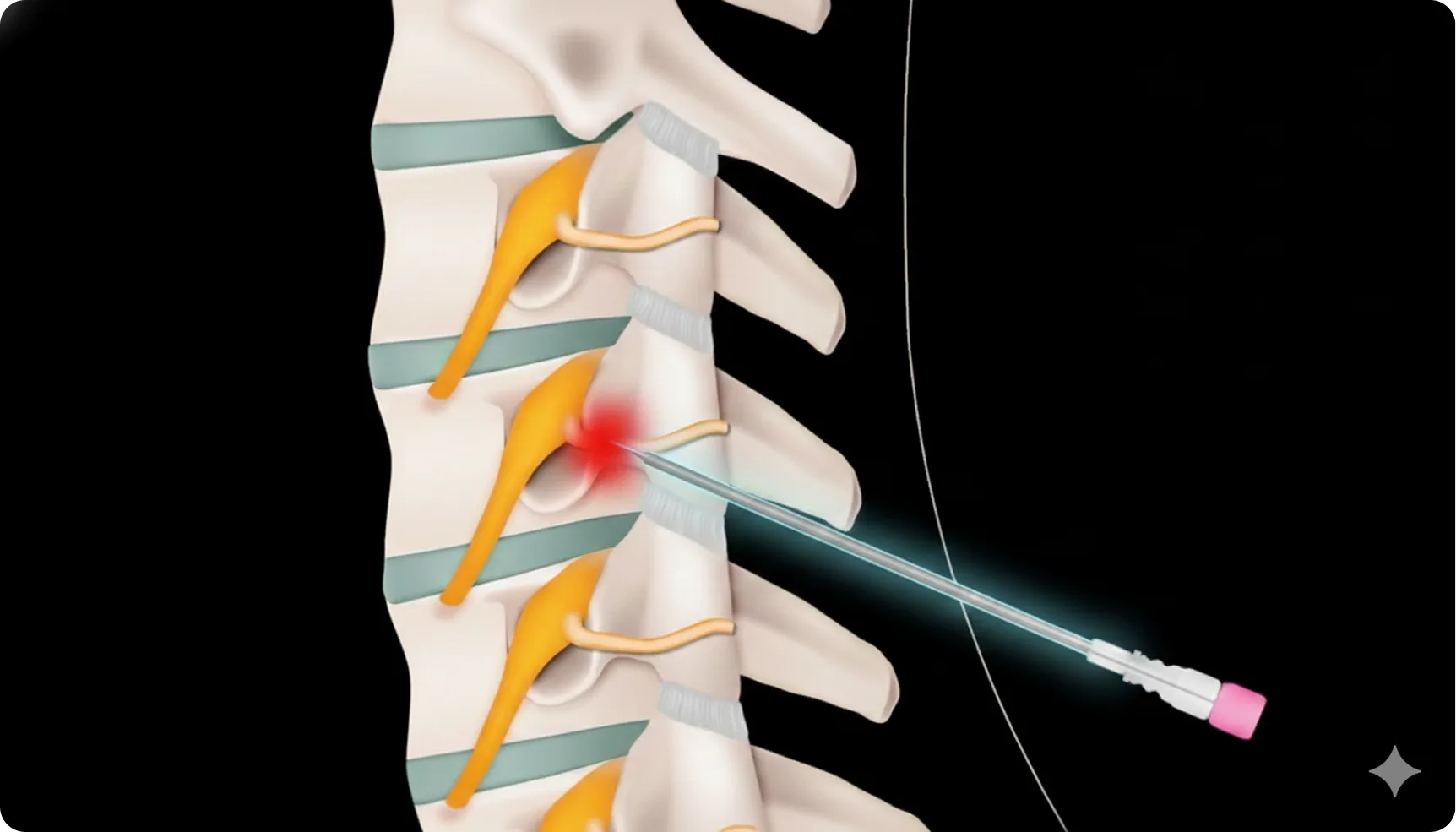
Image-Guided SI Joint Injection
A precise injection of anti-inflammatory or orthobiologic material reduces irritation and improves mobility.
Learn more about SI joint injections →
Radiofrequency Ablation (RFA)
Disrupts pain signals from the small nerves serving the jointoften providing relief lasting 6–12 months.
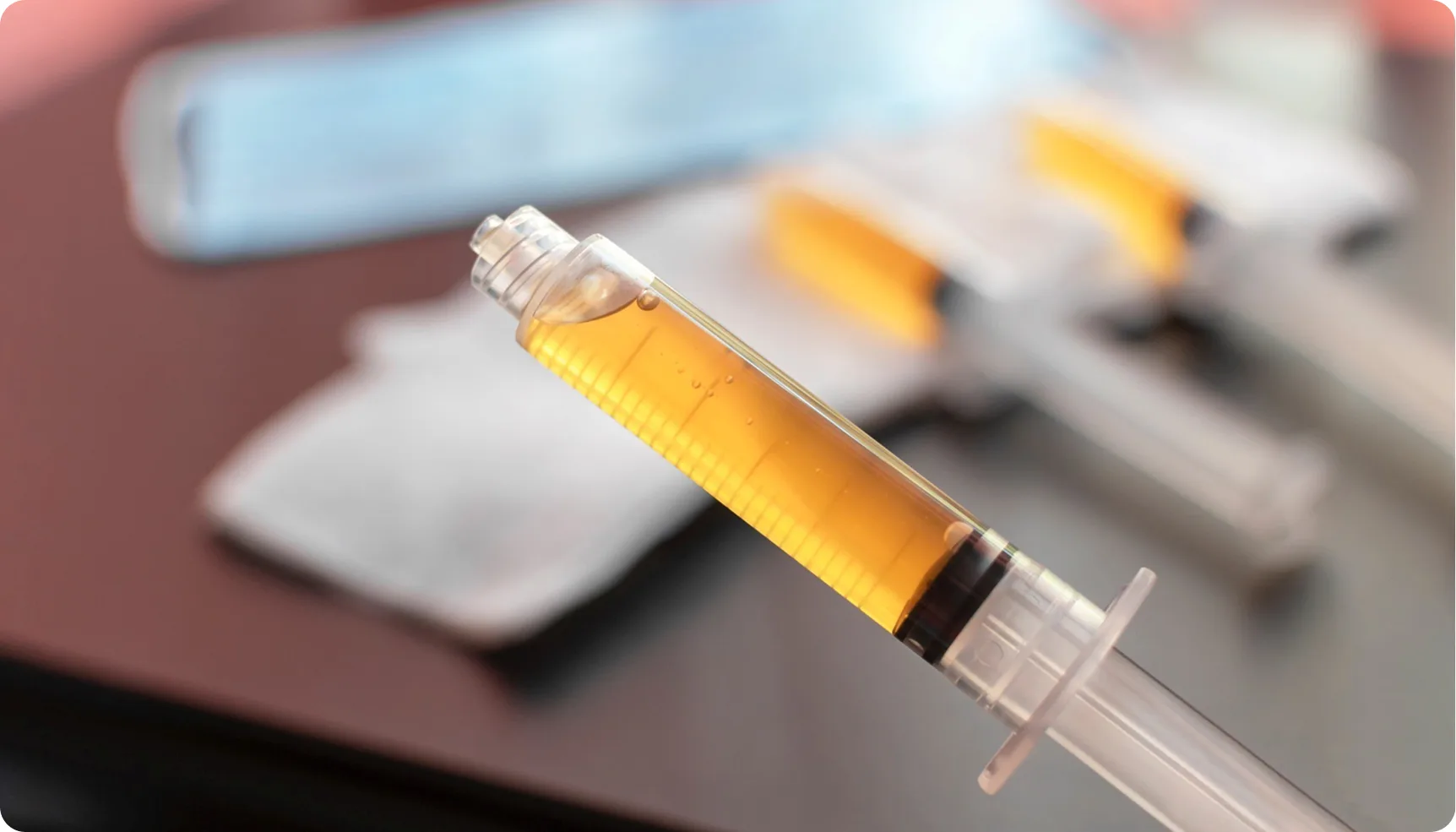
PRP or Bone Marrow “Cell” Therapy
Uses your body’s own growth factors to promote joint healing and stability.
Take the Next Step
Don’t let hip or buttock pain limit your movement. Modern, image-guided options can identify and treat the source precisely.
Get urgent care for these
- New weakness in a leg or foot, or a foot that drags
- Loss of bladder or bowel control, or numbness around the groin
- Back pain with fever, chills or unexplained weight loss
- Severe pain immediately after a fall or collision
These need assessment now, not an appointment next week. Go to an emergency department or call 911.
Common questions about lower back pain