
Lower Back treatment
Sacroiliac (SI) Joint Injection: Targeting Inflammation at the Base of the Spine

The sacroiliac (SI) joints connect the lower spine to the pelvis. When irritated or inflamed, they can cause deep buttock, hip, or lower-back pain that makes sitting, standing, or climbing stairs uncomfortable.
A sacroiliac joint injection places a small amount of numbing and anti-inflammatory medicine directly into the joint under image guidance to reduce inflammation and confirm the pain source.

Why It’s Done

SI joint injections can serve two purposes:
-
Diagnostic: to confirm the SI joint as the source of pain by seeing whether temporary relief occurs.
-
Therapeutic: to calm inflammation and ease pain from arthritis or injury.
They are commonly recommended for:
-
Chronic buttock or lower-back pain on one side
-
Pain worse with standing, walking, or transitions from sitting
-
Confirmed or suspected sacroiliitis or SI joint dysfunction
How the Procedure Works
-
Preparation – You lie face down on a table. The skin is cleansed and numbed with local anesthetic.
-
Guidance – Using fluoroscopy (X-ray) or ultrasound, the doctor guides a fine needle into the SI joint.
-
Confirmation – A small amount of contrast dye verifies correct placement.
-
Injection – A blend of numbing medicine and a low-dose steroid is injected to reduce inflammation.
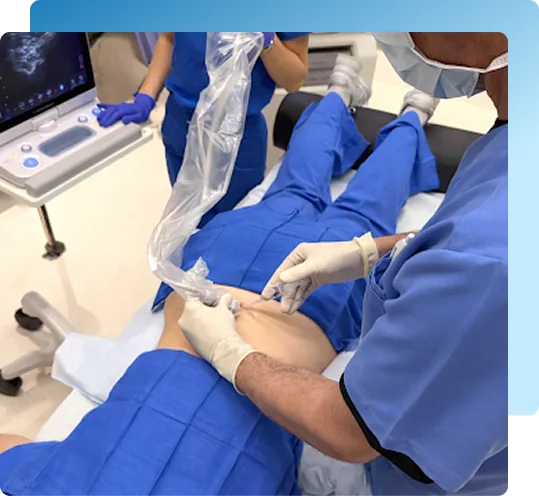
The procedure takes about 20–30 minutes, and patients go home shortly afterward
What to Expect Afterward
-
Temporary numbness or heaviness in the leg for a few hours is possible.
-
Mild soreness at the injection site for 1–2 days.
-
Steroid relief builds gradually over 3–5 days and may last for weeks to months.
-
Normal activity may resume the same day unless otherwise directed.
Keeping a simple pain log helps determine how effective the injection was.
Safety and Risks
SI joint injections are safe when performed under image guidance.
Possible—though uncommon—effects include:
-
Temporary soreness or bruising
-
Mild increase in pain before improvement
-
Very rare infection or bleeding
When to See a Specialist
If you experience deep buttock or hip pain that worsens with standing or stair-climbing, a sacroiliac joint injection can help confirm the source and reduce inflammation.
Get urgent care for these
- New weakness in a leg or foot, or a foot that drags
- Loss of bladder or bowel control, or numbness around the groin
- Back pain with fever, chills or unexplained weight loss
- Severe pain immediately after a fall or collision
These need assessment now, not an appointment next week. Go to an emergency department or call 911.
Common questions about lower back pain