
Lower Back condition or diagnosis
Bulging and Herniated Disc: When a Spinal Disc Presses on a Nerve

If you’ve been told you have a bulging or herniated disc, you’re not alone. These are among the most common causes of back and leg pain.
A spinal disc acts as a cushion between the bones of your spine. When the outer layer weakens or tears, the disc can push outward and irritate nearby nerves causing pain, tingling, or weakness in the back or leg.
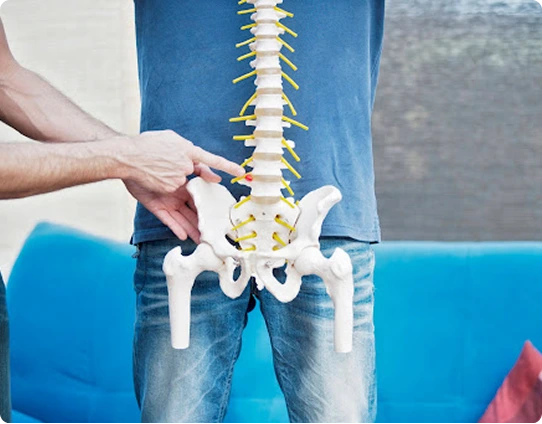
Understanding the Difference

Although often used interchangeably, bulging and herniated discs aren’t identical:
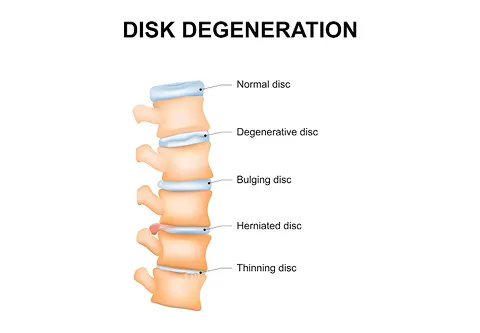
Herniated Disc
The inner gel-like center (nucleus pulposus) breaks through the outer ring, pressing more directly on a nerve.
Bulging Disc
The disc extends beyond its normal boundary, but the outer layer (annulus fibrosus) remains intact.
Both can irritate or compress spinal nerves, leading to similar symptoms, but herniations typically cause more intense nerve pain.
What Causes a Disc to Bulge or Herniate


-
Aging and Degeneration
Discs naturally lose water and elasticity.
-
Repetitive Lifting or Twisting.
Strain increases internal disc pressure.
-
Sudden Trauma
A fall or accident may rupture a weakened disc.
-
Poor Posture or Core Weakness
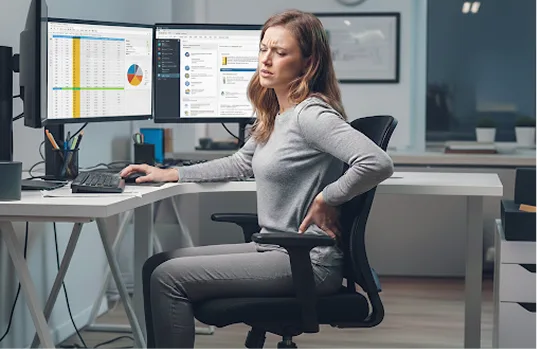
Long hours sitting or slouching add stress.
-
Genetic Factors
Some individuals have weaker connective tissue or early disc degeneration.
Common Symptoms

Symptoms depend on which disc and nerve root are involved. Typical features include:
-
Localized low back or neck pain
-
Shooting pain down the leg (sciatica) or arm
-
Numbness or tingling in the limb
-
Muscle weakness (trouble lifting the foot or gripping objects)
-
Pain worse with sitting, coughing, or bending forward
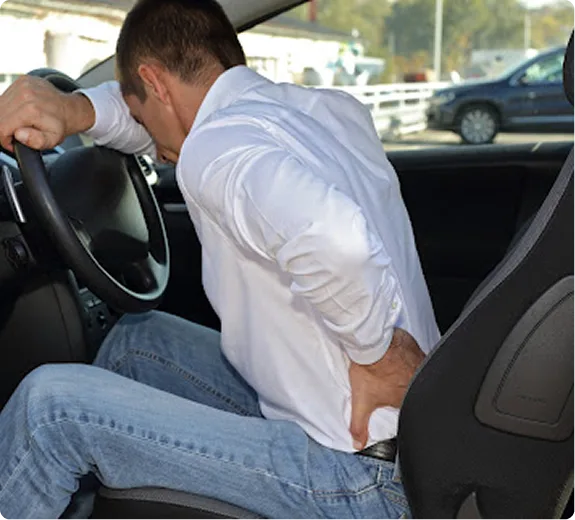
Where It Occurs
Most herniations happen in the lumbar spine (L4–L5 or L5–S1), causing leg pain or weakness. Cervical herniations affect the neck and arms, while thoracic (mid-back) discs are less common.
How It’s Diagnosed


History and Physical Examination
Your physician evaluates how the pain began, what worsens or relieves it, and which movements trigger symptoms.
Neurologic testing identifies affected nerve roots based on reflexes, sensation, and muscle strength.
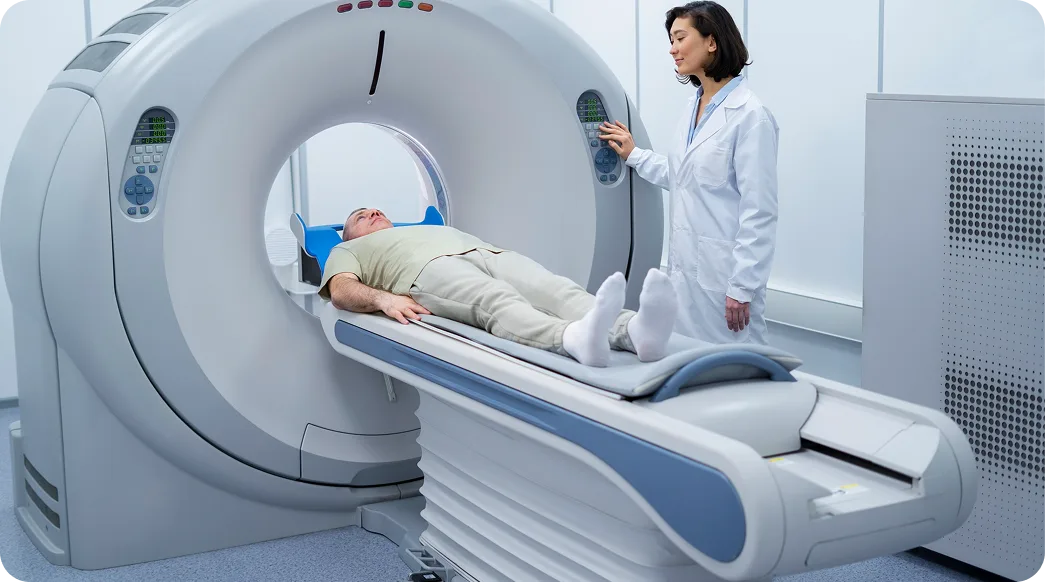
Imaging
-
MRI: best for seeing soft tissue and confirming nerve compression.
-
CT Scan: used when MRI is not possible or to view bone changes.
-
X-rays: show spinal alignment but not the discs themselves.
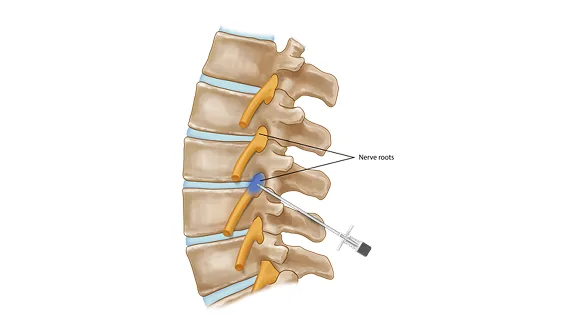
Diagnostic Nerve Block
Sometimes, an image-guided nerve root block confirms which disc is responsible for pain.
Risk Factors

-
Age between 30 and 60
-
Sedentary lifestyle or prolonged sitting
-
Obesity or heavy lifting
-
Smoking (reduces disc nutrition)
-
Prior disc injury or degeneration
When to See a Specialist
If pain radiates down your leg or arm, causes numbness, or limits daily activity, an evaluation can pinpoint whether a disc is responsible.
Prompt diagnosis helps prevent nerve damage and chronic pain.
Get urgent care for these
- New weakness in a leg or foot, or a foot that drags
- Loss of bladder or bowel control, or numbness around the groin
- Back pain with fever, chills or unexplained weight loss
- Severe pain immediately after a fall or collision
These need assessment now, not an appointment next week. Go to an emergency department or call 911.
Common questions about lower back pain