
Lower Back treatment
PRP Spine Injection: Using Your Body’s Own Healing Potential

Platelet-Rich Plasma (PRP) therapy uses a patient’s own blood components to help promote natural healing and reduce inflammation in damaged tissues of the spine.
PRP spine injections are performed under image guidance to deliver a concentrated dose of platelets cells that release growth factors involved in tissue repair directly to areas of injury or degeneration.
This approach may benefit patients seeking to reduce pain, support recovery, and avoid or delay surgery.
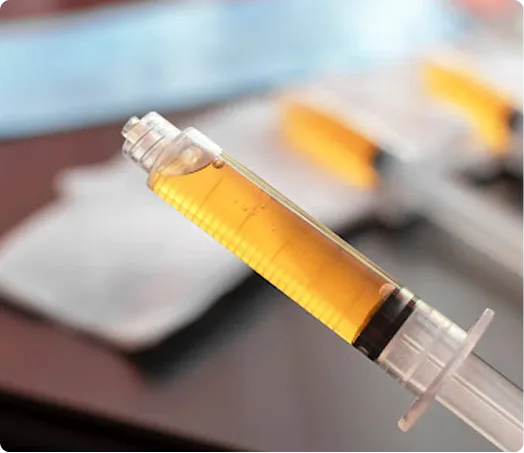
What Is PRP?

Blood contains several components red cells, white cells, plasma, and platelets. Platelets store growth factors that help your body heal after injury.
PRP is created by drawing a small sample of your blood, then spinning it in a centrifuge to separate and concentrate the platelets. The resulting plasma, now rich in platelets, can be precisely injected into the target tissue.
Why It’s Done
PRP spine injections are often used to help manage:
-
Degenerative Disc Disease
-
Facet joint inflammation
-
Chronic low-back pain unresponsive to other treatments
-
Post-procedure tissue healing following minimally invasive interventions
The goal is to support the body’s natural repair processes, reduce inflammation, and improve function.
How the Procedure Works
-
Blood Collection – A small amount of your blood is drawn and placed in a sterile centrifuge.
-
Processing – The sample is spun to separate the platelet-rich plasma from other components.
-
Injection – Using fluoroscopy or ultrasound guidance, the PRP is injected into the targeted area of the spine such as a disc, joint, or supporting tissue.
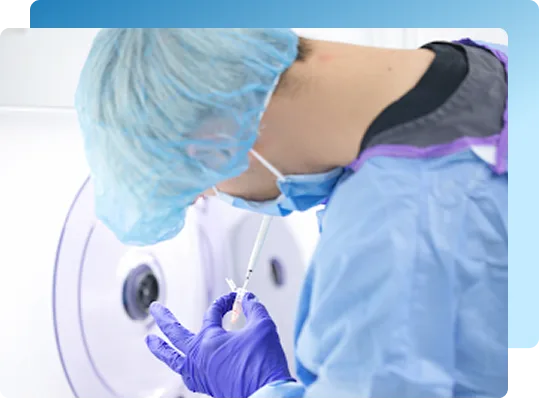
The procedure typically takes 30–60 minutes, including preparation
What to Expect Afterward
-
Mild soreness or stiffness for a few days as the healing response begins
-
Gradual improvement over several weeks as tissue recovery progresses
-
Most patients resume normal activity within 24–48 hours
-
The full benefit typically develops over 4–8 weeks
Because PRP is made from your own blood, the risk of allergic reaction or infection is very low
Safety and Considerations
PRP injections are considered very safe when performed in a sterile environment under image guidance.
Potential side effects are mild and may include
-
Temporary soreness or swelling at the injection site
-
Short-term stiffness or fatigue
-
Rare infection (minimized by sterile technique)
When to See a Specialist
If you have persistent back pain from disc or joint degeneration and prefer natural, minimally invasive options, PRP spine therapy may help promote healing and reduce pain without surgery.
Get urgent care for these
- New weakness in a leg or foot, or a foot that drags
- Loss of bladder or bowel control, or numbness around the groin
- Back pain with fever, chills or unexplained weight loss
- Severe pain immediately after a fall or collision
These need assessment now, not an appointment next week. Go to an emergency department or call 911.
Common questions about lower back pain