
Lower Back symptom
Pain Worse with Extension or Rotation: Understanding Facet Joint Pain

If your low back pain increases when standing, leaning back, or twisting, the culprit may be your facet joints small stabilizing joints on the back of your spine that allow motion and prevent over-rotation. When they degenerate or become inflamed, they can cause deep, aching pain that mimics disc or muscle problems.

How Facet Joint Pain Feels

-
Dull ache or stiffness in the lower back
-
Pain worse when leaning back or twisting
-
Pain relieved by sitting or bending forward
-
Local tenderness over the spine
Common Causes


-
Arthritis or wear-and-tear (spondylosis)
-
Previous injury or repetitive stress
-
Poor posture or deconditioning
-
Degenerative Disc Disease shifting pressure onto joints
Diagnosis

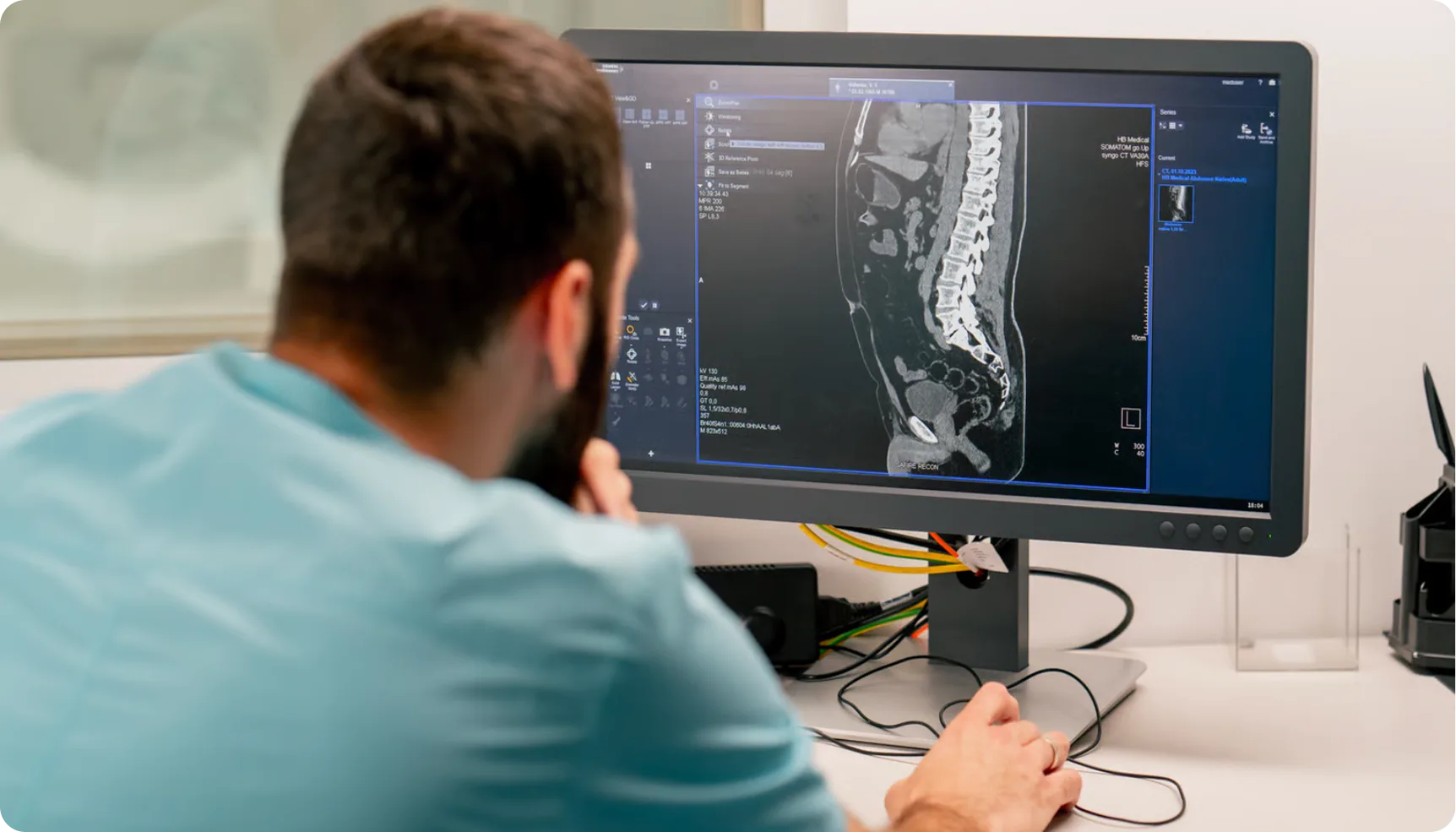
Facet pain can’t be confirmed on imaging alone it requires diagnostic medial branch nerve blocks, performed under X-ray or ultrasound guidance.
-
X-ray or MRI: to evaluate structural changes
-
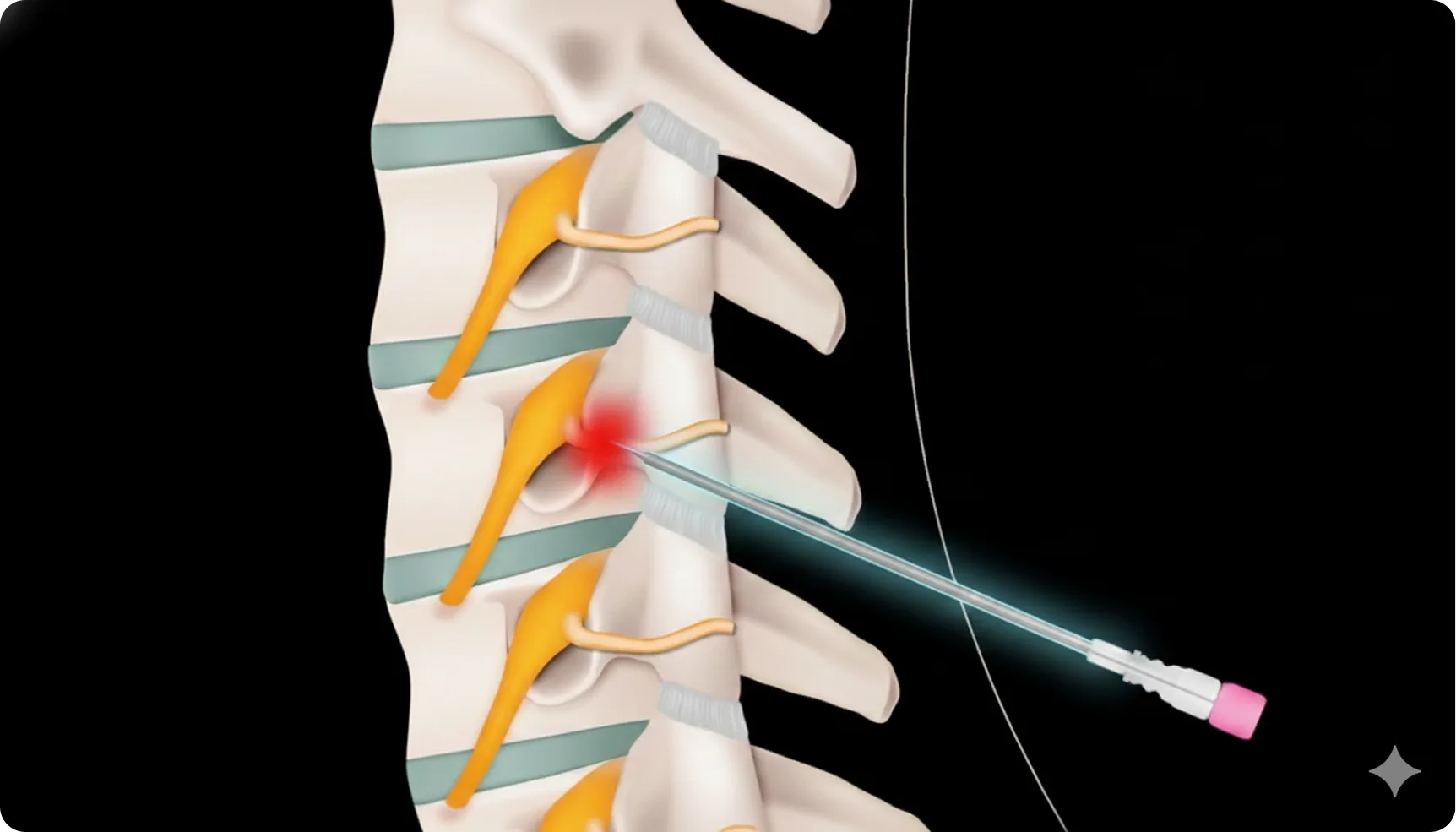
Medial Branch Block: numbs the small nerves that transmit pain signals If relief follows, the diagnosis is confirmed.
Treatment Options

Facet Joint Injection
Delivers medication or orthobiologic material into the joint.
Radiofrequency Ablation (RFA)
Heats and deactivates the medial branch nerves, providing relief that can last 6–12 months.

PRP or BMAC Therapy
Regenerates and stabilizes facet joints naturally.
Take Control of Your Back Health
If your pain worsens when standing, twisting, or leaning back, facet joints may be the cause. Our specialists offer targeted, image-guided treatments to restore movement and reduce pain.
Get urgent care for these
- New weakness in a leg or foot, or a foot that drags
- Loss of bladder or bowel control, or numbness around the groin
- Back pain with fever, chills or unexplained weight loss
- Severe pain immediately after a fall or collision
These need assessment now, not an appointment next week. Go to an emergency department or call 911.
Common questions about lower back pain