
Lower Back condition or diagnosis
Spinal Stenosis: When Narrowing of the Spine Causes Nerve Pressure

If you feel pain, numbness, or weakness in your legs when standing or walking but relief when sitting or leaning forward you may have Spinal Stenosis.
This condition occurs when the spinal canal or nerve passageways become too narrow, putting pressure on the spinal cord or nerves. It’s one of the most common causes of leg pain in older adults.
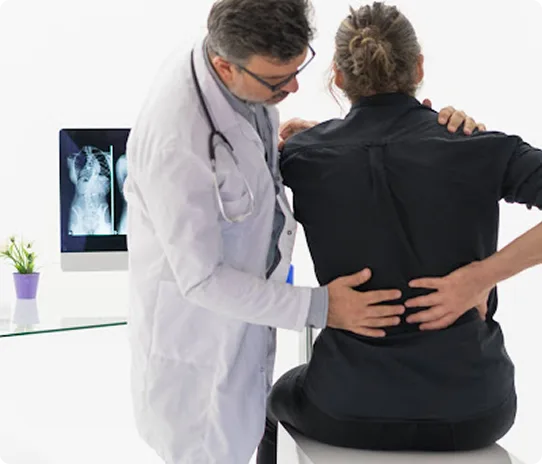
What Is Spinal Stenosis?

The spinal canal is a tunnel that houses the spinal cord and nerve roots. Stenosis means “narrowing.” When this space becomes restricted, the nerves that travel through it can become compressed or irritated, leading to pain and weakness.
There are two main types:
Central canal stenosis
narrowing around the spinal cord or nerve roots.
Foraminal stenosis
narrowing of the small openings where nerves exit the spine.
What Causes Spinal Stenosis

-
Arthritis and bone spurs (from lumbar spondylosis)
-
Thickened ligaments that encroach on the canal
-
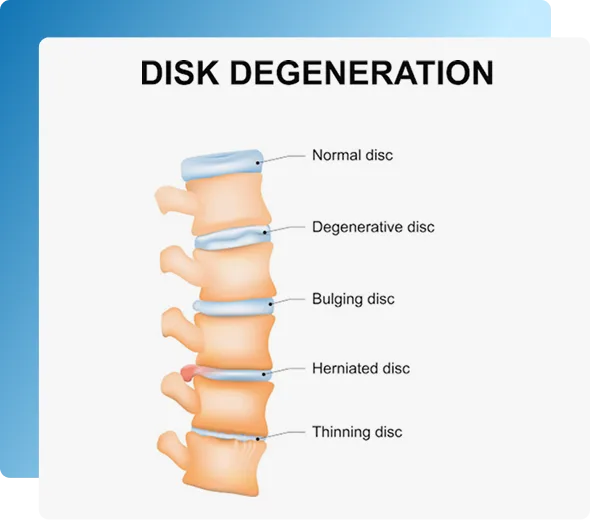
Bulging or herniated discs pressing on nerves
-
Spondylolisthesis (vertebra slipping forward)
-
Congenital narrowing (present from birth)
-
Post-surgical changes or scar tissue
Common Symptoms

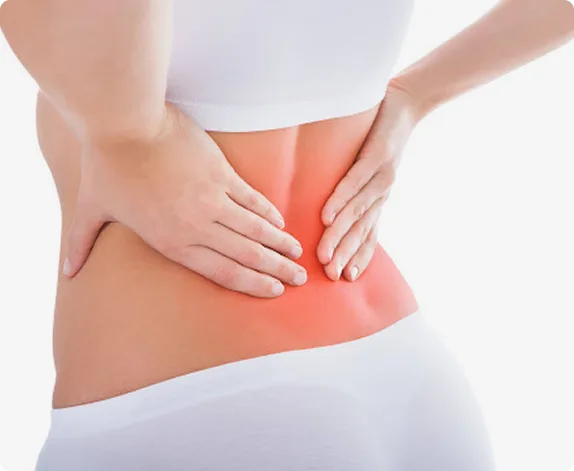
Spinal stenosis often develops gradually.
Typical signs include:
-
Pain or cramping in the legs when standing or walking
-
Relief when sitting, leaning forward, or pushing a cart (“shopping cart sign”)
-
Numbness or tingling in the buttocks, legs, or feet
-
Leg weakness or heaviness after short distances
-
Back pain that may be mild or absent
How It’s Diagnosed


Medical History and Physical Exam
Your physician evaluates symptom patterns, walking tolerance, and neurological function. Flexion or extension testing often reproduces symptoms.
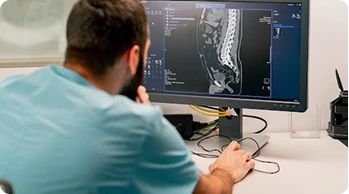
Imaging
-
MRI: the gold standard for showing nerve compression and canal narrowing.
-
CT Myelogram: used when MRI isn’t possible or to detail bony anatomy.
-
X-rays: assess alignment, arthritis, or vertebral slippage.
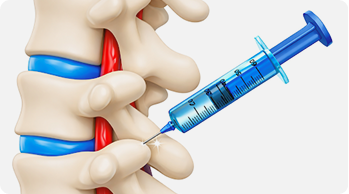
Diagnostic Injections
Image-guided nerve root blocks can help identify which level is responsible for pain.
Typical Patterns of Pain
Lumbar spinal stenosis most often affects the L4–L5 and L5–S1 levels.
Cervical stenosis affects the neck, arms, and hands, while thoracic stenosis is rare.
Patients often report:
-
Pain when upright or walking
-
Relief when sitting, bending forward, or lying flat
-
Fatigue or weakness after standing for long periods
Risk Factors

-
Adults over age 50
-
Those with arthritis or prior back injury
-
People with physically demanding jobs
-
Individuals with scoliosis or spinal deformity
-
Patients with prior spine surgery
Who Is at Risk

-
Age between 30 and 60
-
Sedentary lifestyle or prolonged sitting
-
Obesity or heavy lifting
-
Smoking (reduces disc nutrition)
-
Prior disc injury or degeneration
When to See a Specialist
If standing or walking causes leg pain, numbness, or weakness—but sitting relieves it—you may have nerve compression from spinal stenosis.
A specialist can identify the affected area and recommend the most effective path forward.
Get urgent care for these
- New weakness in a leg or foot, or a foot that drags
- Loss of bladder or bowel control, or numbness around the groin
- Back pain with fever, chills or unexplained weight loss
- Severe pain immediately after a fall or collision
These need assessment now, not an appointment next week. Go to an emergency department or call 911.
Common questions about lower back pain