
Lower Back symptom
Understanding Low Back Pain: Why It Happens and What You Can Do About It

Low back pain is one of the most common reasons people see a doctor. While it can come from a strained muscle, it’s often a sign that something deeper like the joints, discs, or nerves is under stress. The good news: most people can find relief without surgery.

Staying Active and Preventing Recurrence

-
Strengthen your core and hip muscles
-
Avoid prolonged sitting; change positions often
-
Maintain a healthy weight and ergonomic workstation
-
Treat flare-ups early before they limit mobility
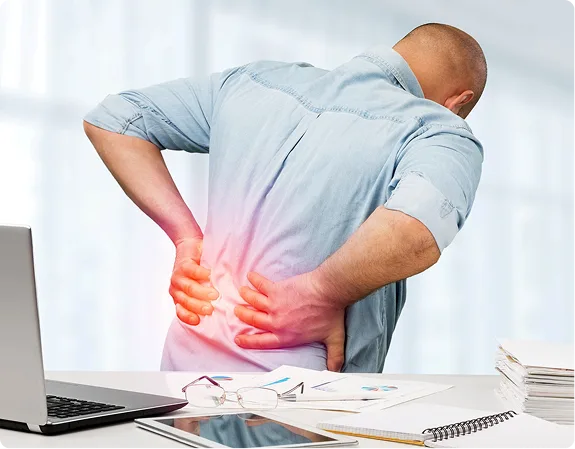
What Is Low Back Pain?

The lower back (lumbar spine) supports much of your body’s weight and movement. Pain can come from:
-
Muscles and ligaments strained by lifting or posture
-
Spinal joints (facet joints) that wear down over time
-
Discs that bulge, tear, or lose height
-
Nerves that become irritated or compressed
Understanding which structure is responsible is the key to long-term relief.
available on spotify & apple podcast


Common Causes

-
Muscle strain or overuse - sudden lifting, twisting, or repetitive bending.
-
Degenerative Disc Disease - age-related changes that dry and thin spinal discs.
-
Facet Joint Arthropathy - arthritis of the small stabilizing joints in the spine.
-
Spondylolisthesis - A vertebra slipping forward and pinching the nerve.
-
Sacroiliac Joint Pain - irritation where the spine connects to the pelvis.
-
Spinal Stenosis - narrowing of the spinal canal that pinches nerves.
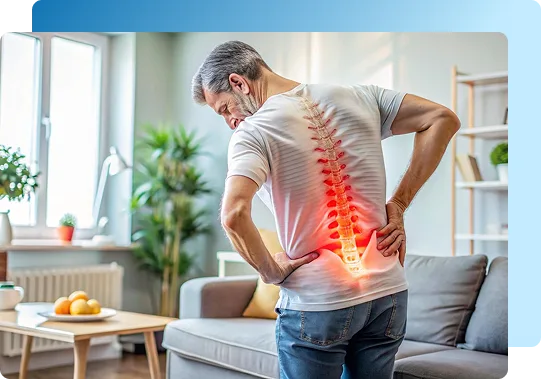

When to See a Specialist

Back pain that lasts more than two to three weeks, spreads down the leg, or interferes with sleep or movement deserves evaluation. Seek immediate care if you experience:
-
New weakness or numbness in your leg
-
Loss of bladder or bowel control
-
Pain after a major fall or accident
Early, image-guided diagnosis can prevent chronic pain from becoming permanent.
How Specialists Diagnose the Source
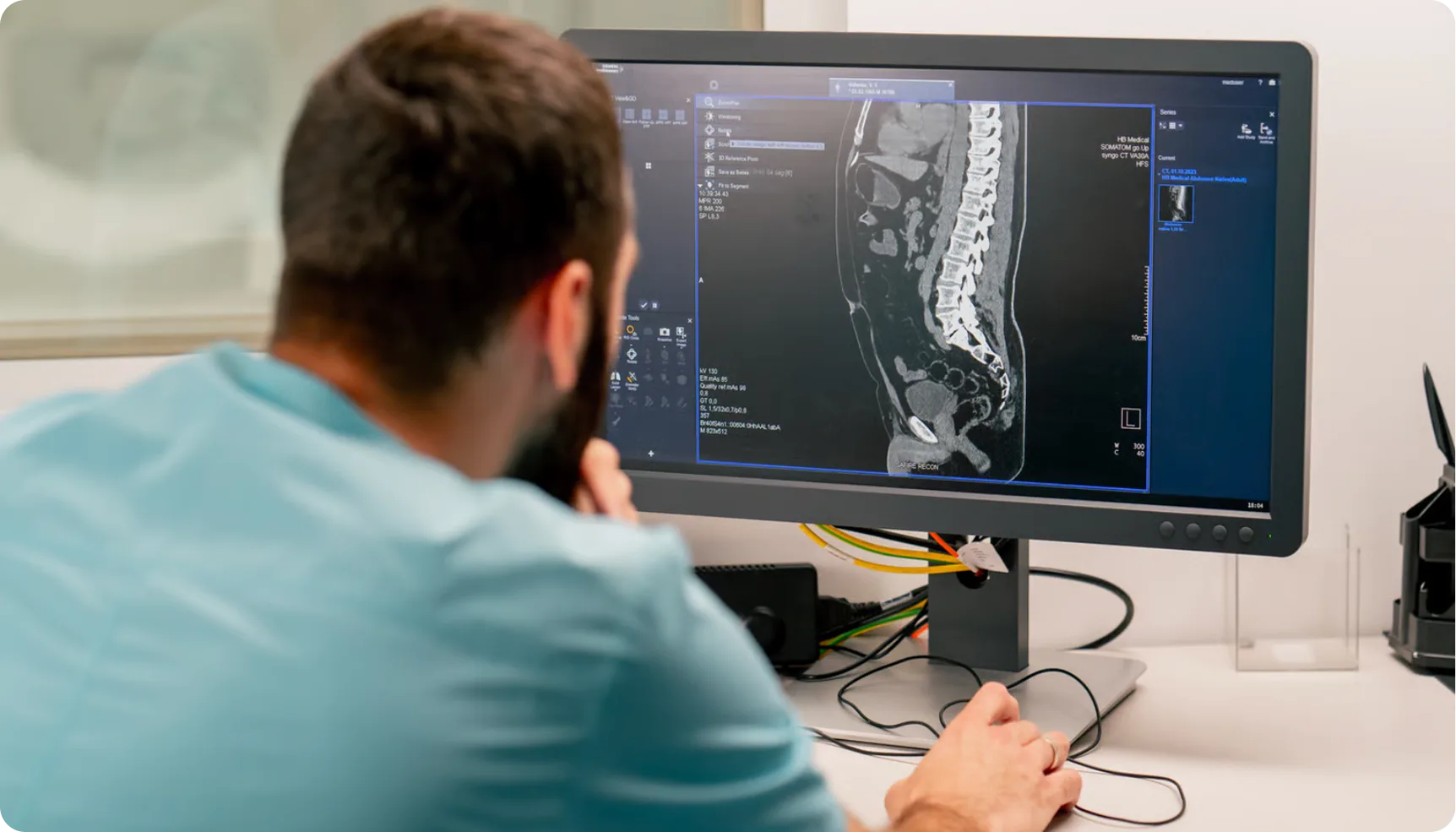
At ePainHealth, physicians use fluoroscopy and ultrasound guidance to precisely identify the pain source. Your evaluation may include:
-
Review of your imaging (X-ray, MRI)
-
Focused physical exam to reproduce specific pain patterns
-
Diagnostic nerve or joint block to confirm the problem area
This step-by-step process ensures treatment targets the correct structure
Non-Surgical Treatment Options
Modern interventional spine care focuses on restoring function and reducing pain before surgery is ever considered.
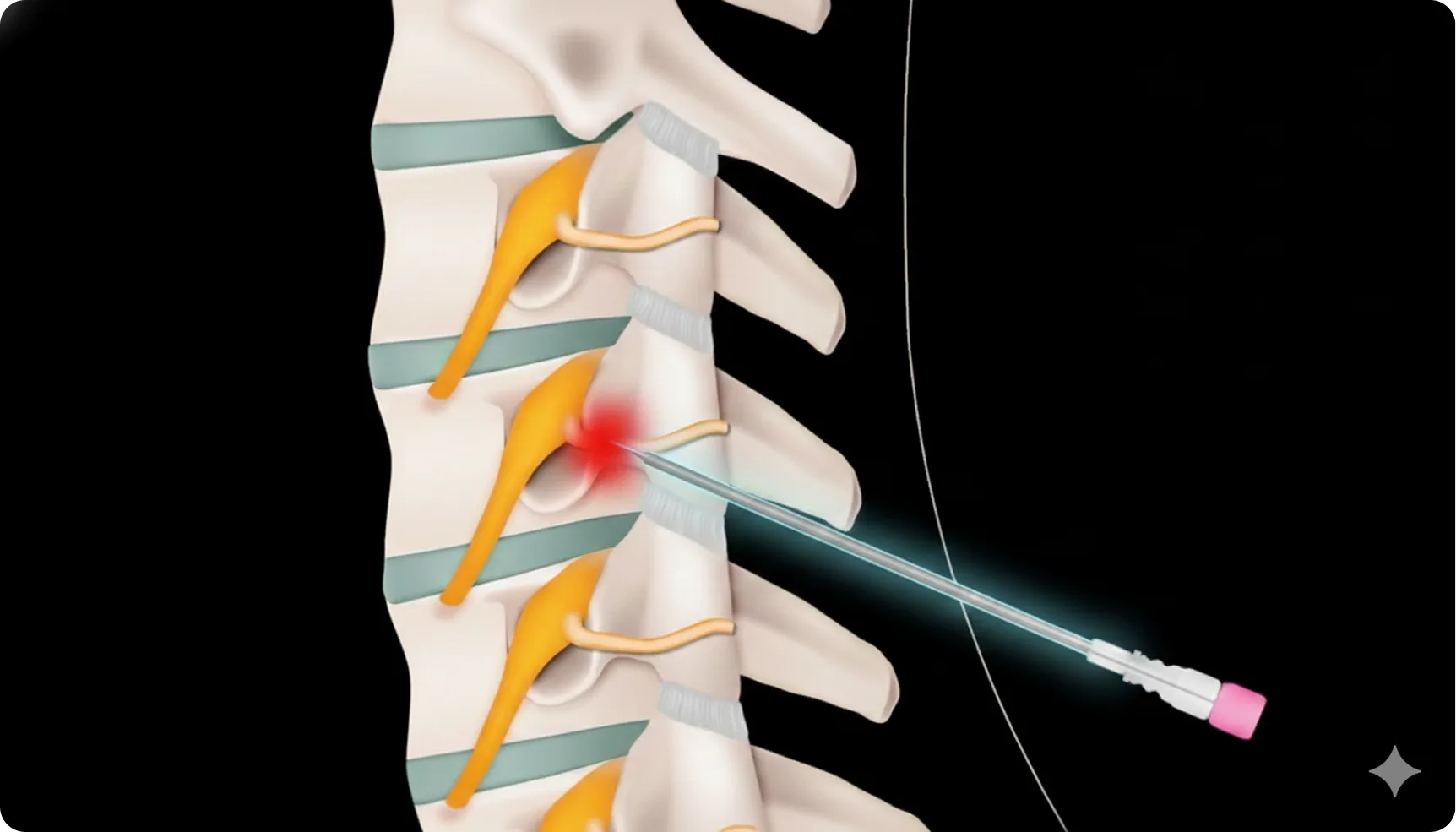
Medial Branch Nerve Blocks & Radiofrequency Ablation
Used to identify and calm painful spinal joints when pain worsens with extension or rotation.
Explore Radiofrequency Ablation →
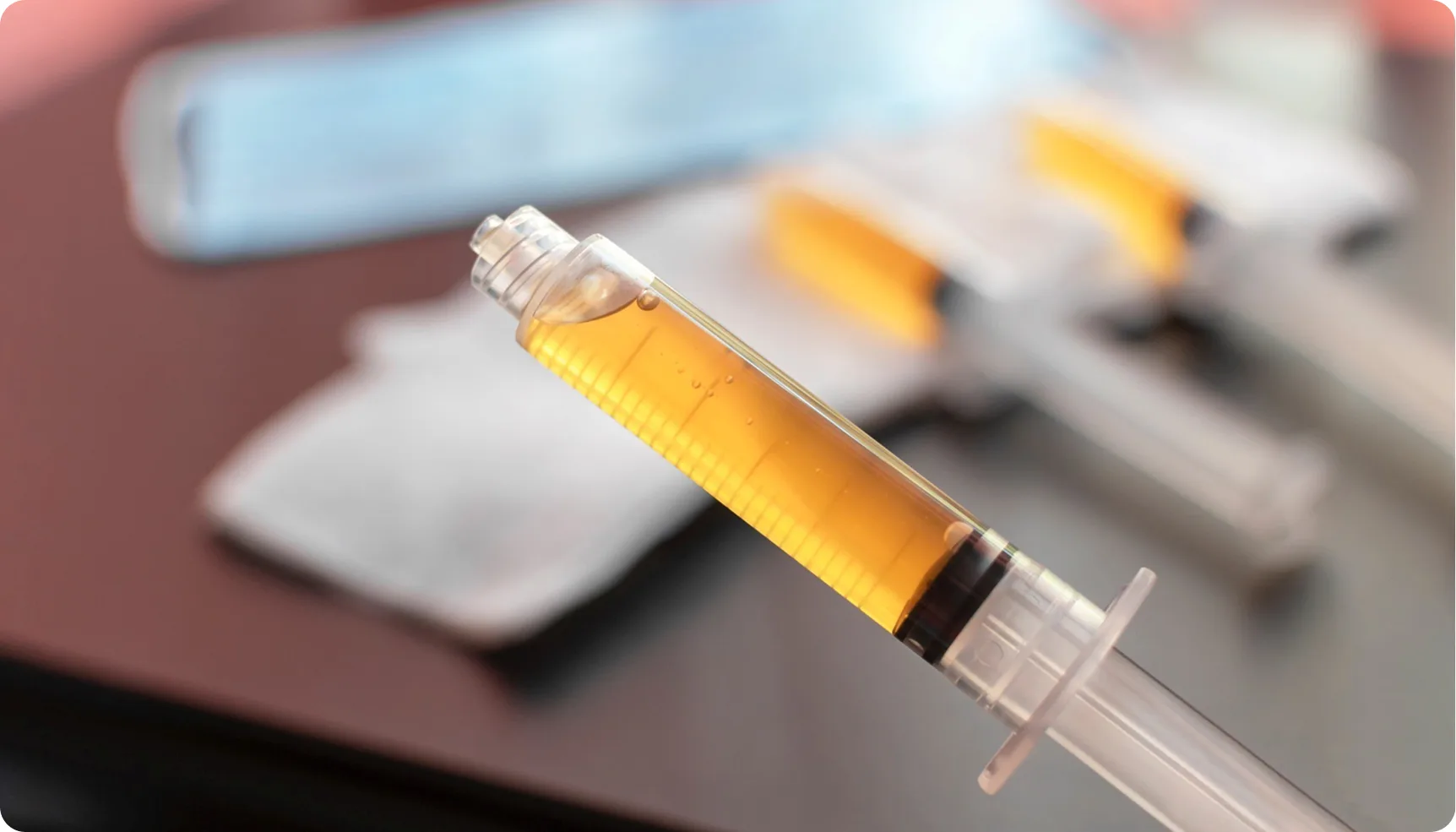
Orthobiologic Treatments (PRP & BMAC)
Platelet-Rich Plasma (PRP) and Bone Marrow “Cell” Injections help heal damaged discs or joints naturally by using your body’s own repair cells.
Learn about PRP Spine Injection →
Take the Next Step Toward Relief
You don’t have to live with constant back pain. Our board-certified specialists offer minimally invasive, image-guided solutions tailored to your needs.
Get urgent care for these
- New weakness in a leg or foot, or a foot that drags
- Loss of bladder or bowel control, or numbness around the groin
- Back pain with fever, chills or unexplained weight loss
- Severe pain immediately after a fall or collision
These need assessment now, not an appointment next week. Go to an emergency department or call 911.
Common questions about lower back pain