
Lower Back condition or diagnosis
Degenerative Disc Disease: Understanding the Aging Spine

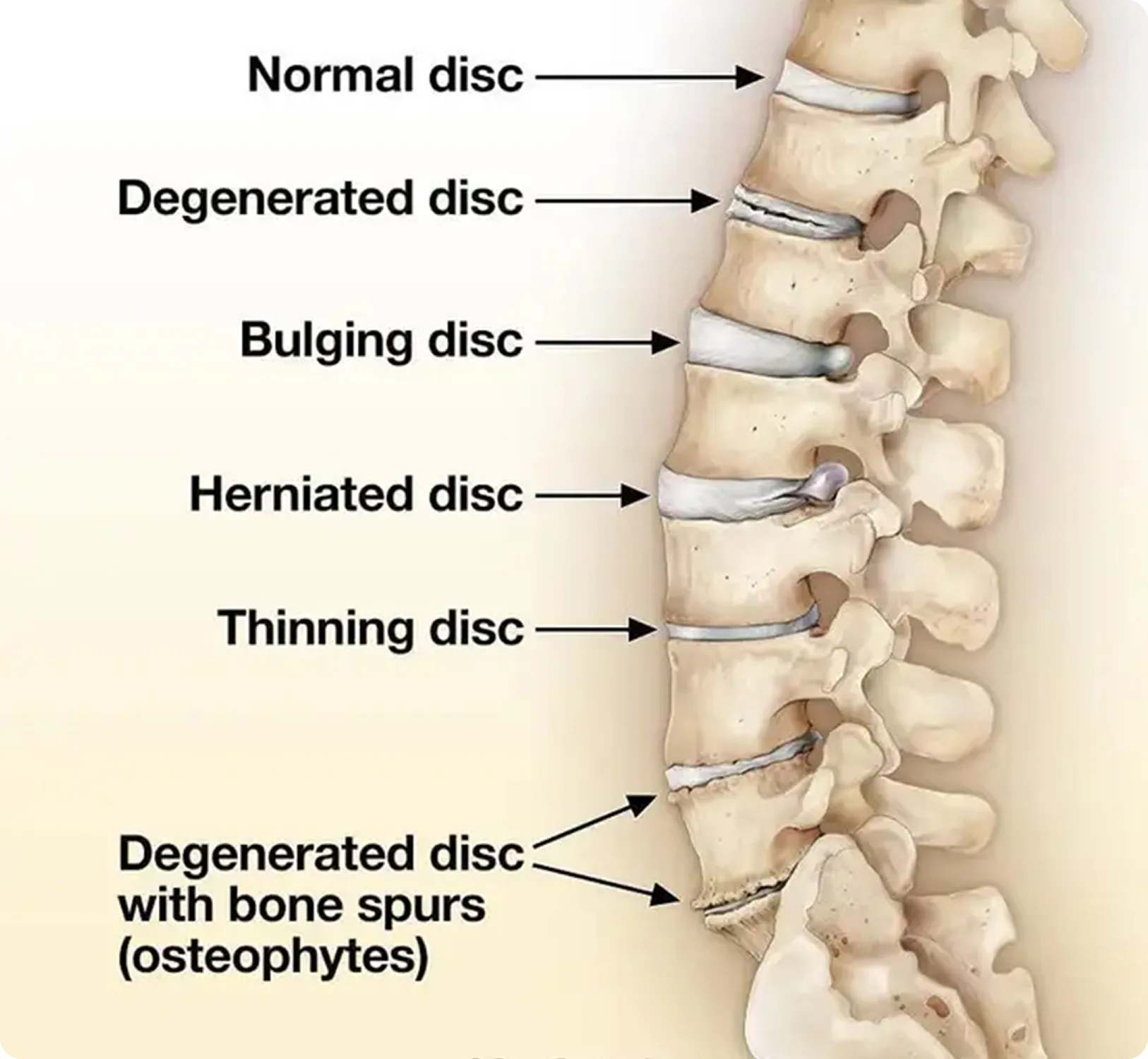
If you’ve been told you have Degenerative Disc Disease (DDD), it doesn’t necessarily mean your spine is “falling apart.” Despite its name, this is not a true “disease.” It’s a natural process of aging and wear that affects the spinal discs soft cushions between the bones of your back.
When these discs lose flexibility or height, they can irritate surrounding joints or nerves, leading to pain, stiffness, or numbness.
Why It Happens

Each spinal disc acts like a shock absorber.
They are made of
-
A tough outer ring (annulus fibrosus)
-
A soft gel-like center (nucleus pulposus)
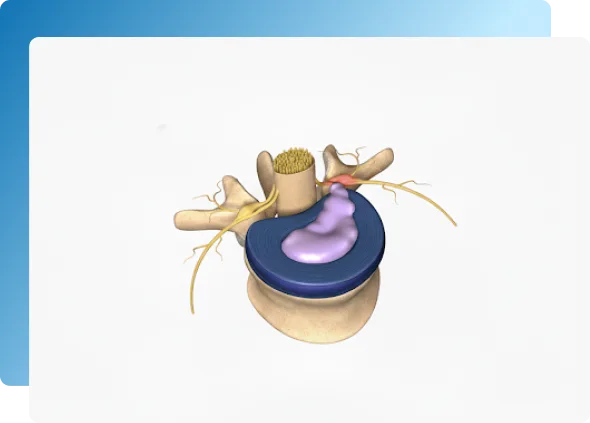
Both can irritate or compress spinal nerves, leading to similar symptoms, but herniations typically cause more intense nerve pain.
What Causes a Disc to Bulge or Herniate

Over time, discs lose water content and elasticity. The result:
-
Reduced height between vertebrae
-
Small tears in the outer ring
-
Decreased flexibility
-
Inflammation that can irritate nearby nerves
Sometimes, bone spurs form as the body tries to stabilize the weakened area.
Common Symptoms

-
Low back or neck pain that worsens with sitting or bending
-
Pain that improves when walking or lying down
-
Occasional shooting or tingling sensation down the leg (if nerves are affected)
-
Stiffness, reduced flexibility, or pain after activity


Who Is at Risk

-
Aging (most common after age 40)
-
Heavy lifting, repetitive strain, or long hours of sitting
-
Smoking, obesity, or poor posture
-
Family history of spinal degeneration
-
Prior disc indjury or degeneration

- Previous back injury
How It’s Diagnosed

An accurate diagnosis combines your history, exam, and imaging:
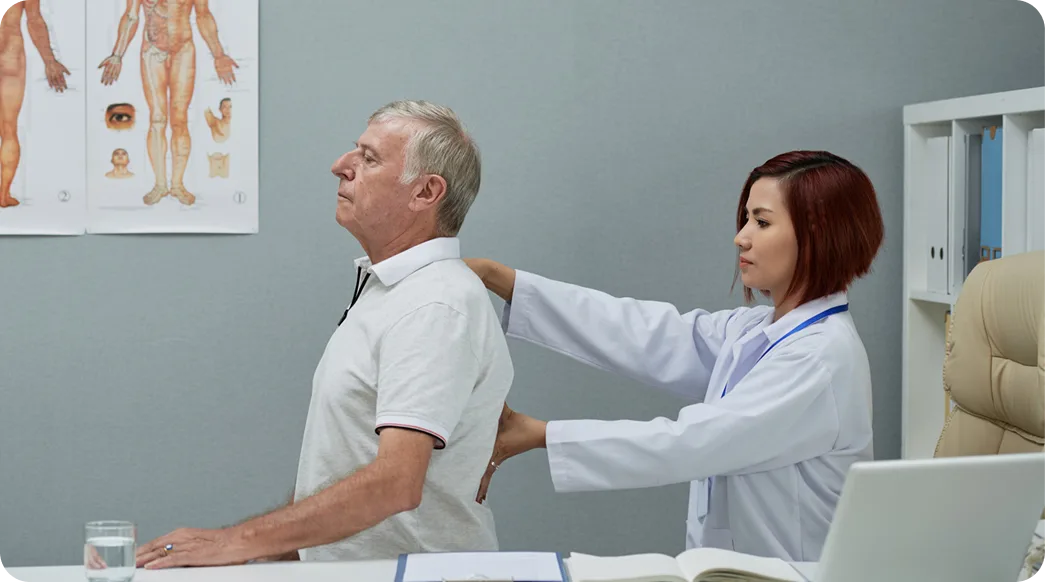
Clinical Evaluation
A spine specialist assesses pain pattern, mobility, and nerve function.

Imaging
-
X-rays: show disc space narrowing and bone spurs
-
MRI: reveals disc dehydration, bulging, or nerve contact
-
CT or fluoroscopy: may be used for further evaluation
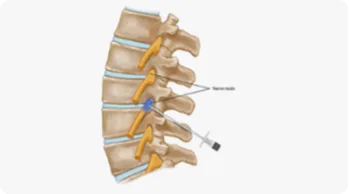
Diagnostic Injections
Sometimes a temporary anesthetic injection helps confirm which disc or joint is causing pain.
Does It Always Cause Pain?

Not always. Many people with disc degeneration on imaging have little or no pain.
Pain occurs when the degeneration affects nearby structures especially nerves or facet joints.
Living with Degenerative Disc Disease
This condition can be managed. With accurate diagnosis and a strategic plan, most patients maintain an active lifestyle.
Early intervention helps prevent chronic stiffness, nerve irritation, and loss of mobility.
When to See a Specialist
If back or neck pain limits your activity, interrupts sleep, or spreads into your arms or legs, an evaluation can identify whether disc degeneration is the cause.
Get urgent care for these
- New weakness in a leg or foot, or a foot that drags
- Loss of bladder or bowel control, or numbness around the groin
- Back pain with fever, chills or unexplained weight loss
- Severe pain immediately after a fall or collision
These need assessment now, not an appointment next week. Go to an emergency department or call 911.
Common questions about lower back pain