
Lower Back treatment
Medial Branch Nerve Block: A Targeted Test for Facet Joint Pain

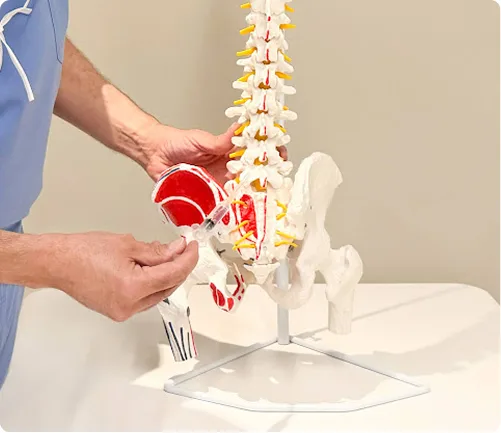
A medial branch nerve block is a short, minimally invasive procedure that helps doctors determine whether the facet joints in your spine are the source of your back pain.
These tiny nerves called medial branches carry pain signals from the facet joints to the brain. Temporarily numbing them helps confirm the diagnosis and guide next steps in your treatment plan.
Why It’s Done

Facet joints can become painful due to arthritis, wear-and-tear, or injury. When they inflame, they send pain through the medial branch nerves.
A nerve block temporarily “turns off” those signals to see whether pain relief follows.
Common reasons for a medial branch block include:
-
Chronic low-back or neck pain that worsens with standing, twisting, or arching back
-
Suspected facet joint arthropathy or lumbar spondylosis
-
Rare allergic reaction or infection at the injection site
How the Procedure Works
-
Preparation – You’ll lie comfortably on an X-ray table. The skin is cleaned and numbed with local anesthetic
-
Guidance – Using fluoroscopy (real-time X-ray), the doctor guides a thin needle to the small target nerves
-
Injection – A small amount of numbing medicine is placed on each nerve.
-
Observation – You’ll be asked to move or perform activities that normally cause pain.
○ Significant pain relief - means the facet joints are likely the source.
○ Little or no relief suggests another structure may be involved.
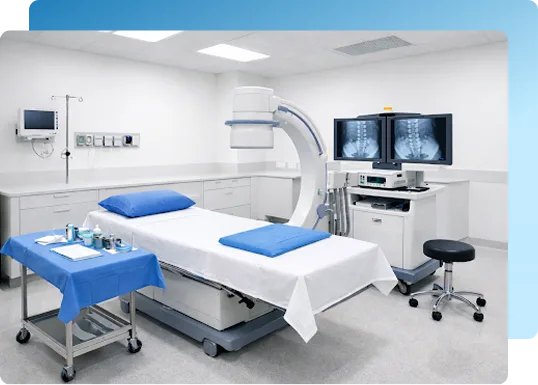
The procedure usually takes 15–30 minutes and doesn’t require sedation

What to Expect Afterward
-
Temporary numbness or mild soreness at the injection site.
-
Pain relief lasting several hours (the duration of the local anesthetic).
-
You may return to normal activities the same day unless told otherwise
-
Keep a simple pain log noting how much relief you experienced—this helps plan next steps
If two diagnostic blocks confirm facet joint pain, your doctor may discuss
longer-lasting options such as radiofrequency ablation
Safety and Risks
Medial branch blocks are considered very safe when performed under image guidance.
Possible—but uncommon—effects include:
-
Temporary soreness or bruising
-
Mild dizziness
When to See a Specialist
If you have back pain that worsens when bending or twisting, a medial branch block can help determine whether your facet joints are responsible. Precise diagnosis is the first step toward lasting relief.
Get urgent care for these
- New weakness in a leg or foot, or a foot that drags
- Loss of bladder or bowel control, or numbness around the groin
- Back pain with fever, chills or unexplained weight loss
- Severe pain immediately after a fall or collision
These need assessment now, not an appointment next week. Go to an emergency department or call 911.
Common questions about lower back pain